

What equipment features matter most in a powder removal system?
We have summarized the most important features required for depowdering complex components.
KONTAKT CONTACT
MARKETING@SOLUKON.DEAs LPBF parts are increasingly complex (with intricate internal channels, fine lattice structures, and increasingly reactive materials), the gap between a basic post-processing setup and a truly industrial depowdering system becomes impossible to ignore.
Choosing the right system is about process reliability, operator safety, material recovery, and the repeatability that serial production demands. Here is what to look for and where Solukon consistently raises the bar.
Chamber volume and load capacity
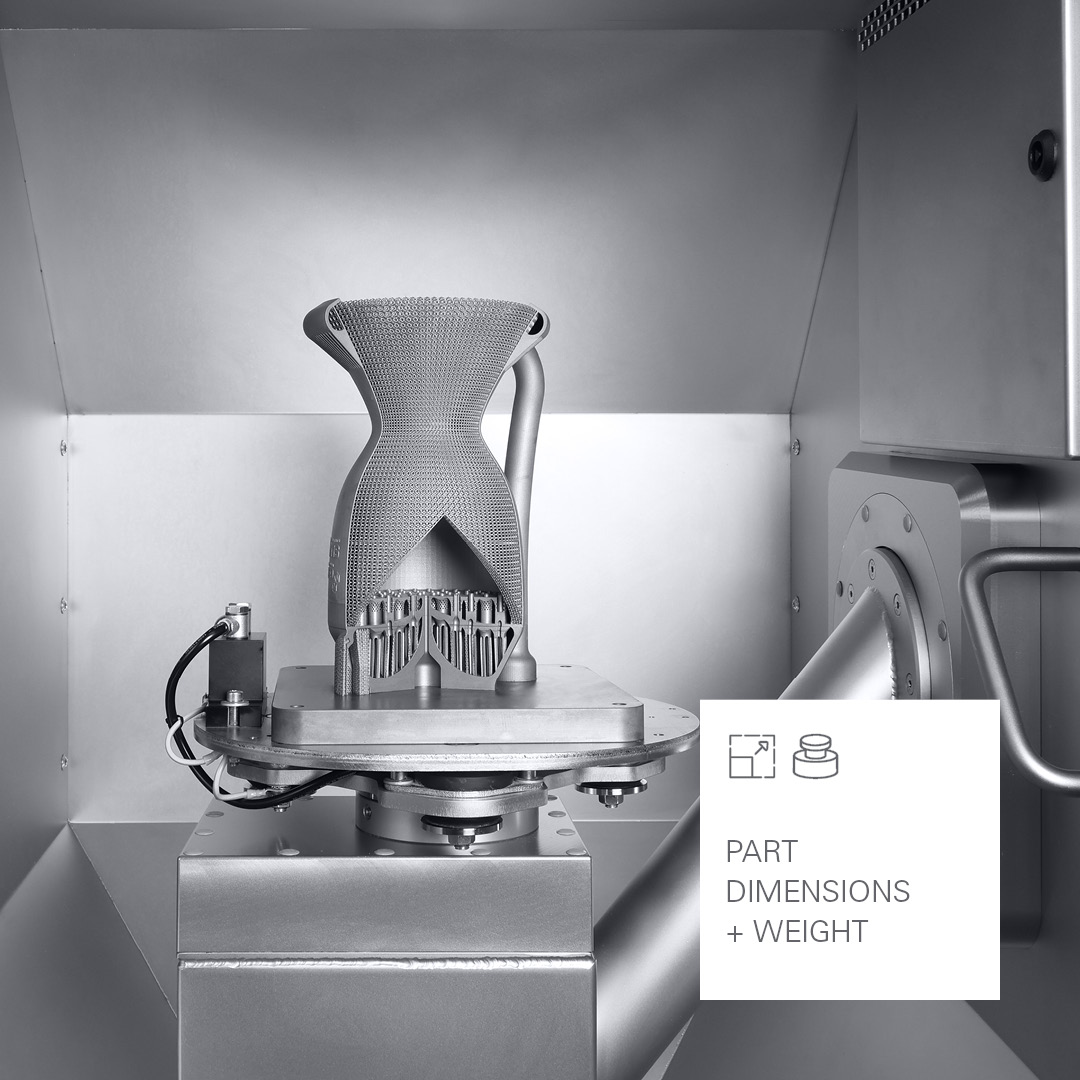
Does the system physically accommodate your build volume and part weight, including the build plate? Part dimensions (X, Y, Z) and maximum load capacity determine whether a system can be considered as a suitable option. As LPBF printer formats grow larger, depowdering systems must scale accordingly without compromising precision or safety. Solukon’s range covers parts from medium-sized components up to very large industrial formats, with custom mounting plates ensuring compatibility across all LPBF 3D printers. Our system finder helps you to define the right depowdering system for your application.
Excitation type: pneumatic, ultrasonic or knocking
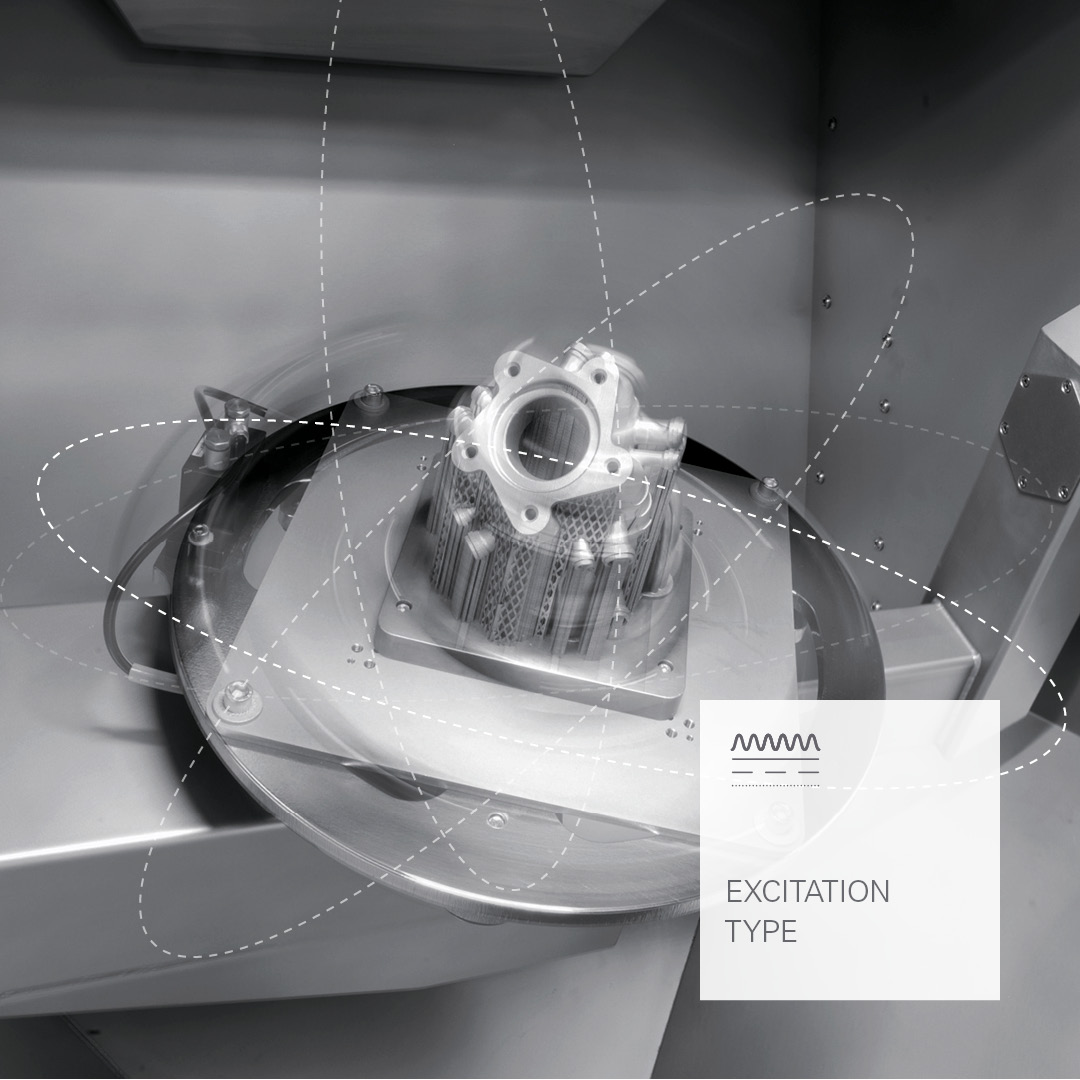
Rotation alone is often insufficient for fully enclosed cavities. When applied in the right frequency and intensity, vibration dislodges powder that gravity cannot reach. The choice of excitation matters:
- Pneumatic excitation is the standard solution for most materials and geometries.
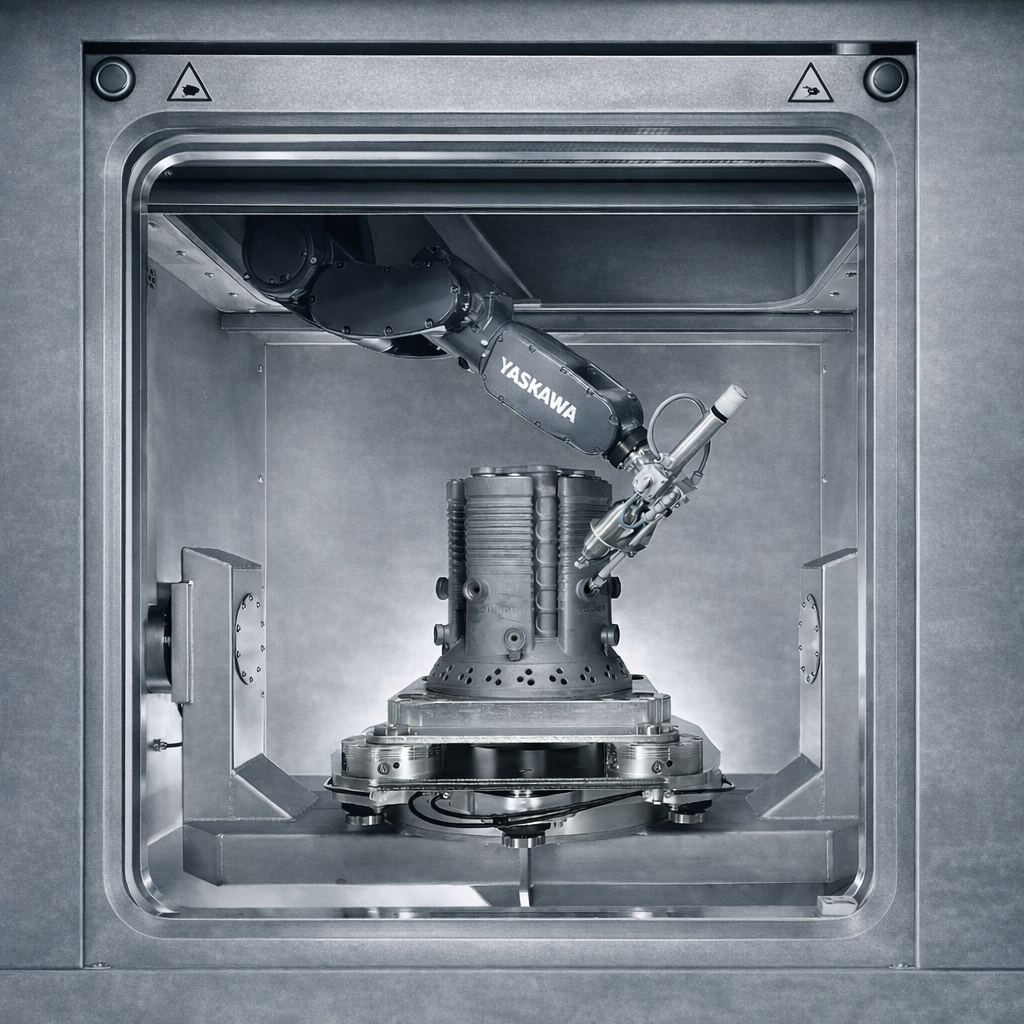
- Ultrasonic (piezoelectric) excitation delivers high-frequency, self-regulating vibrations, ideal for sensitive or fragile geometries where conventional vibration could cause damage. Solukon’s SFM-AT350-E uses this approach, significantly reducing noise and compressed-air demand while protecting delicate structures.
- Pneumatic knocking systems address specific materials such as copper, where powder adhesion is particularly stubborn. Only as add-on with pneumatic excitation, not with ultrasonic excitation.
Gas-tight process chamber and inert atmosphere (ATEX)
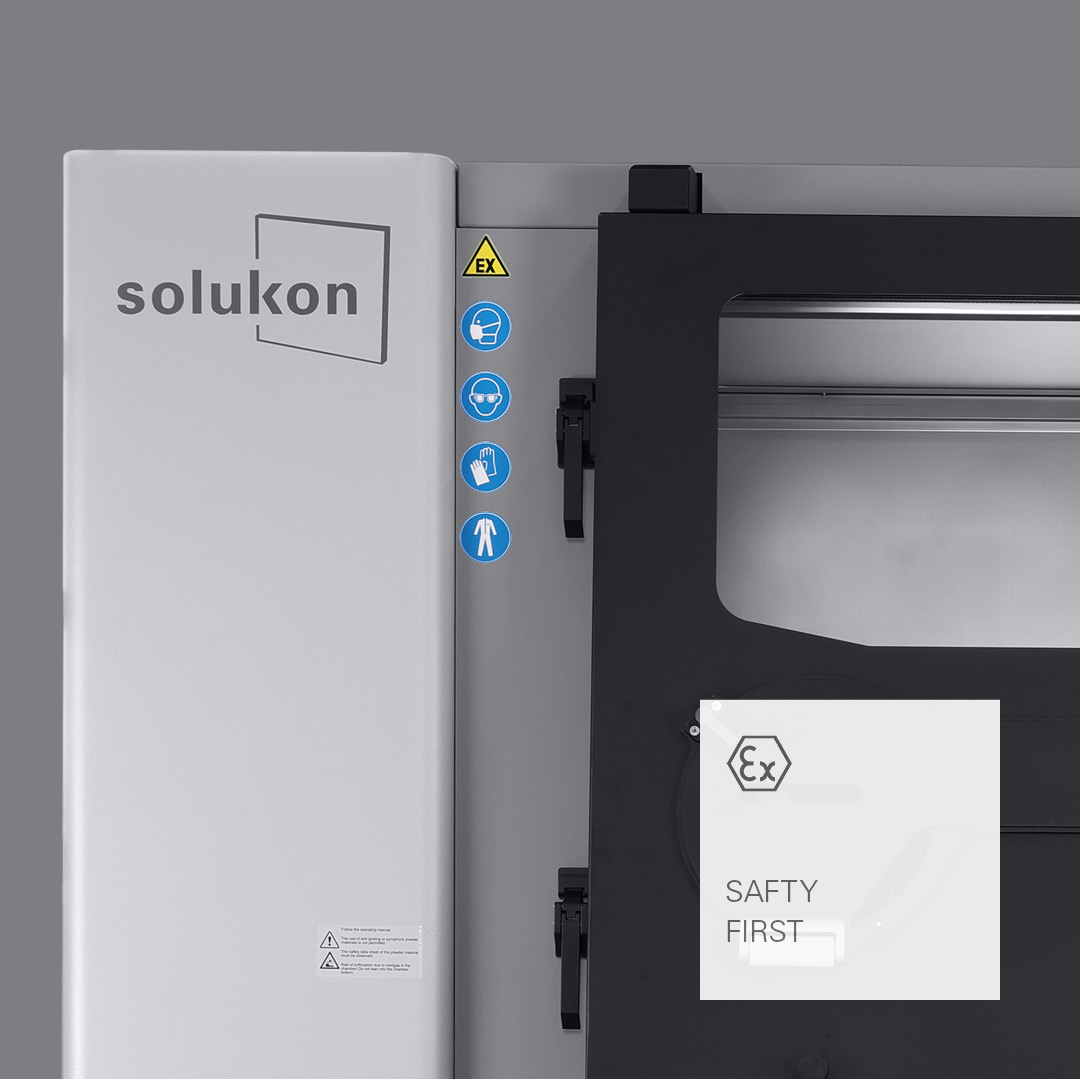
This is a regulatory and safety requirement. When processing reactive materials (titanium, aluminium, and their alloys), depowdering in an oxygen-rich environment is both inefficient and dangerous.
Solukon systems feature gas-tight, ATEX-certified depowdering chambers, that can be purged with argon or nitrogen, eliminating combustion risk and protecting powder quality for reuse. Sensor-based monitoring of oxygen levels, pressure, and inert gas consumption ensures the atmosphere remains controlled throughout the entire cycle. Also, filter systems and other machine components are ATEX-certified.
Safety, powder handling and manual glove access
Fully programmable motion sequences are what transform a depowdering machine into a repeatable production tool. Glove ports allow manual finishing with compressed air where needed; HEPA-grade filtration protects operators from airborne particulate.
Process monitoring and qualification
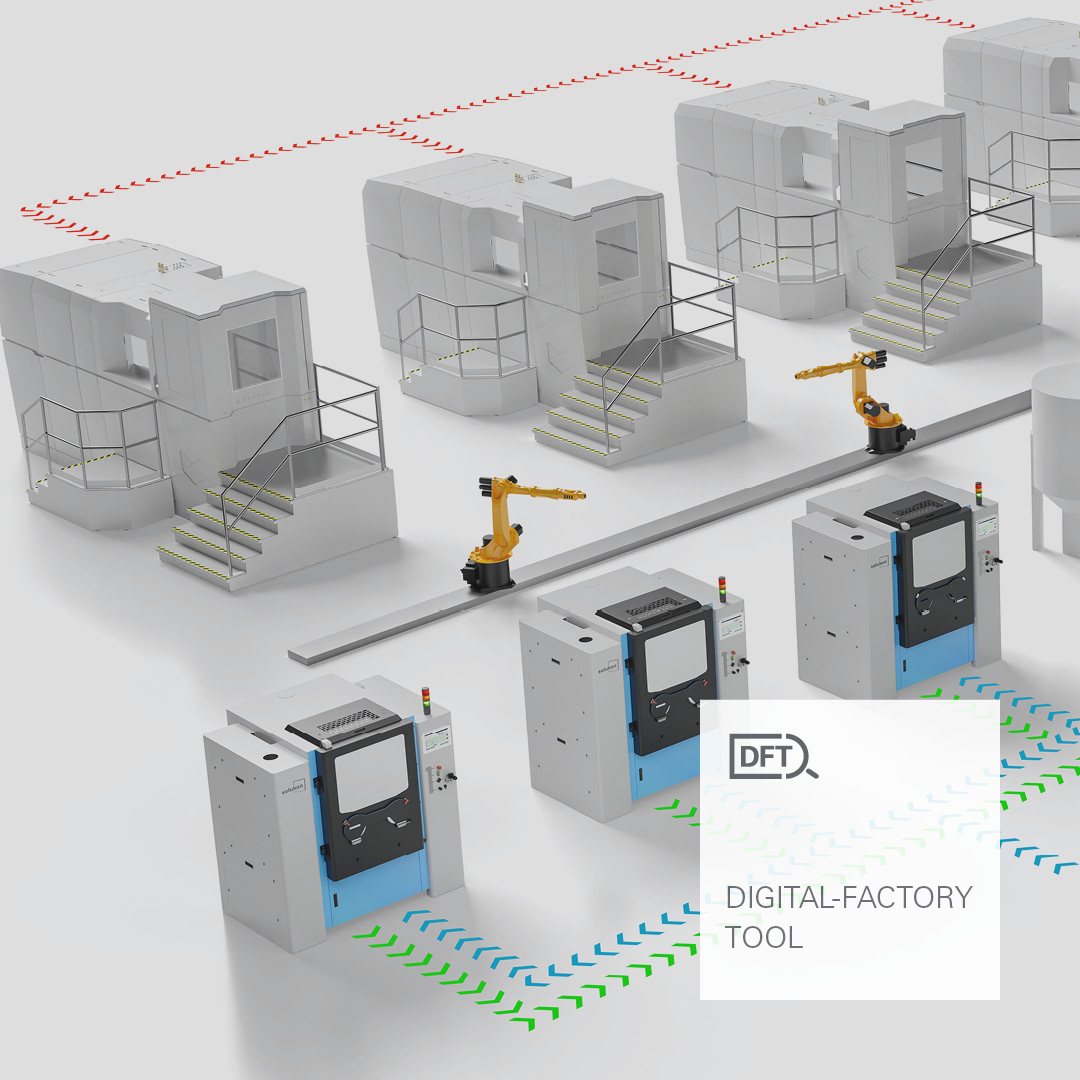
For regulated industries (e.g., aerospace, medical, defense), depowdering traceability is a crucial qualification requirement. Solukon’s Digital-Factory-Tool (DFT) is a sensor and interface kit that tracks all key parameters during the depowdering cycle (among others oxygen levels, pressure, vibration, cycle duration) and generates a traceable protocol file for every run. This data layer is what enables process validation, audit readiness, and integration into broader quality management systems. It positions depowdering firmly within the digital thread of AM production.
CAD-driven path programming: SPR-Pathfinder®
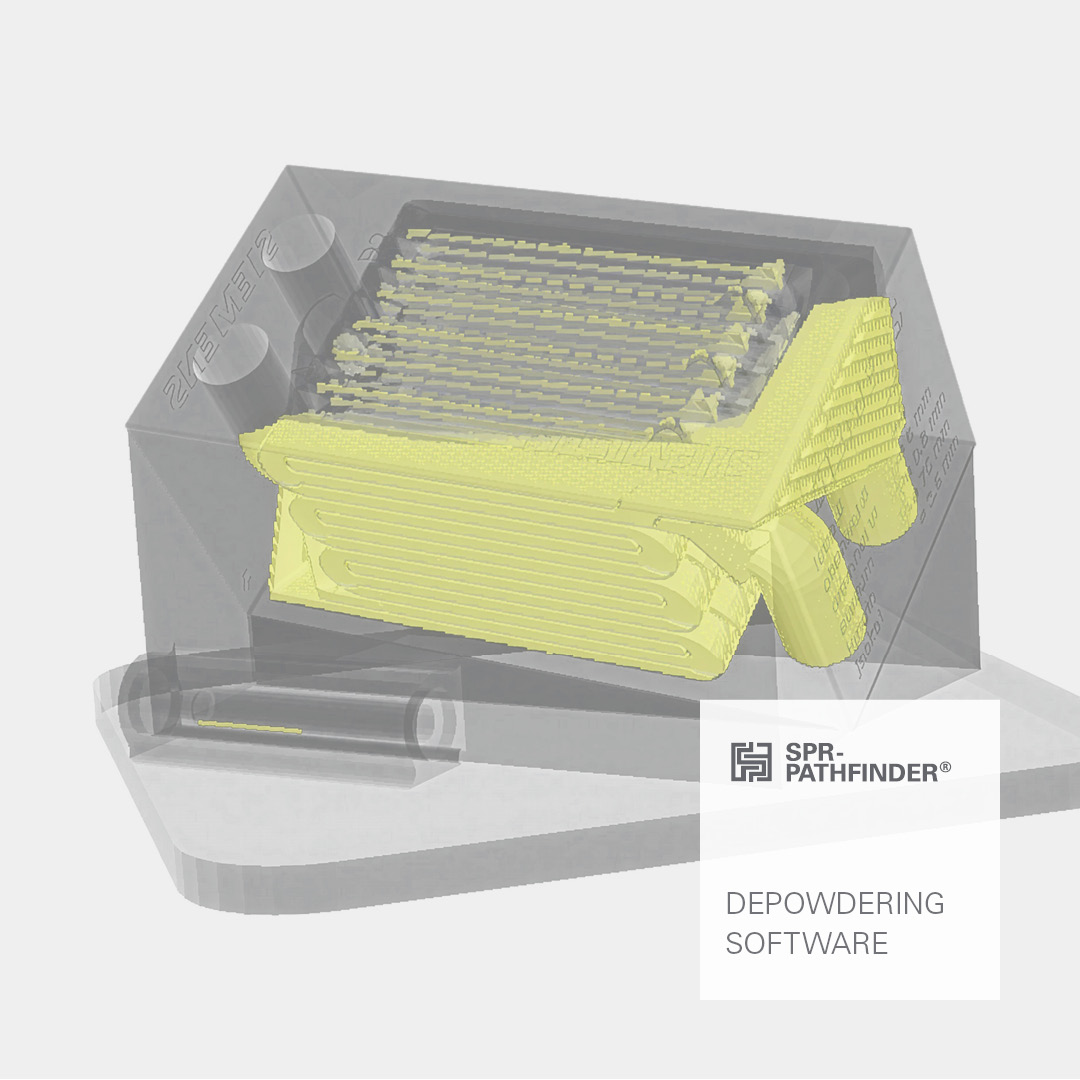
This is one of the key features that makes Solukon’s offering qualitatively different. SPR-Pathfinder® is a depowdering simulation software.
It ingests the build job’s CAD file, runs a calculation on the part’s digital twin, and automatically calculates the optimal motion sequence for the depowdering system. No manual programming. No trial-and-error. The algorithm handles powder removal like engineers plan emergency exits in a building: it maps the paths powder can take, identifies narrow or blocked areas, and finds the best way for powder to leave every internal cavity.
The newly launched upgrade SPR-Pathfinder® PRO goes even further. With a detailed simulation and a precise depowdering time indication, AM practitioners now know how long the depowdering will take in the Solukon system before a single layer of their component is printed. This opens the way for a detailed postprocessing planning.
Outlook: workflow-integration and customized configurations
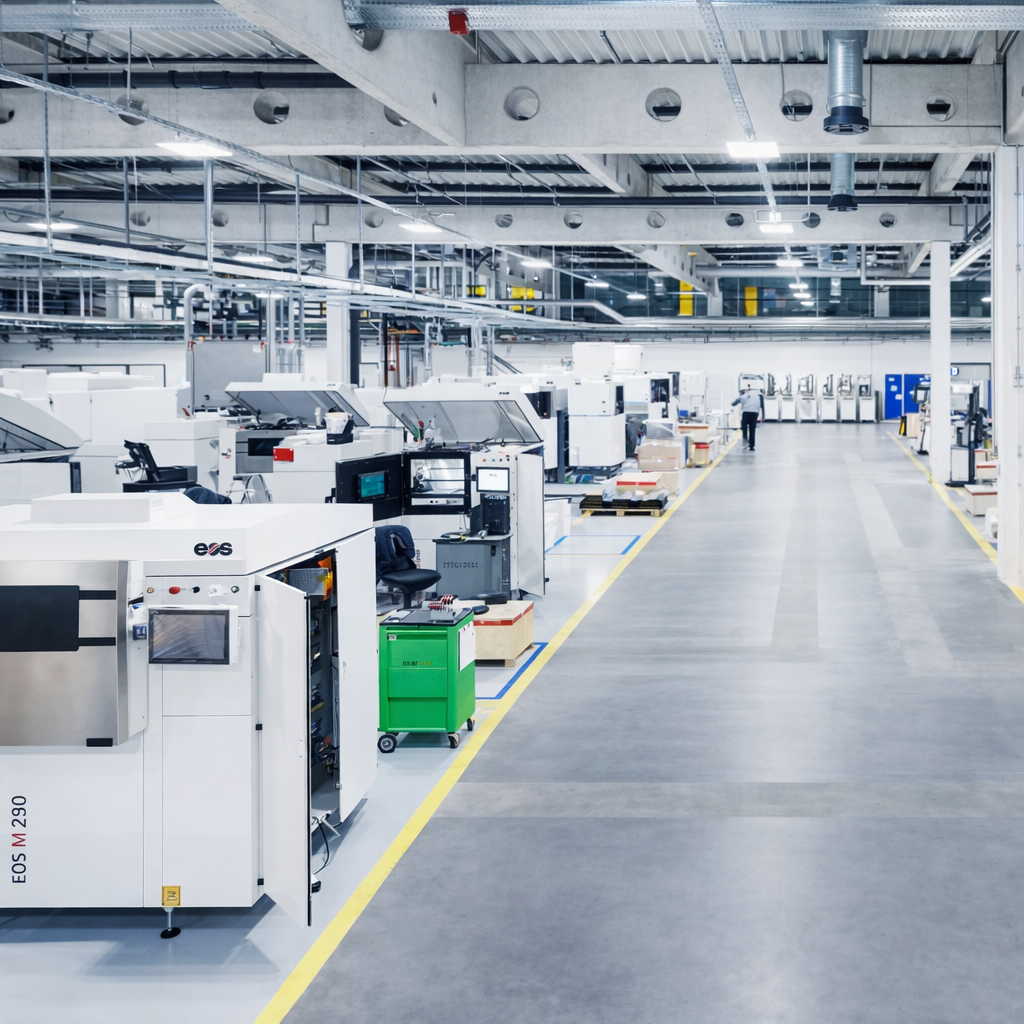
A depowdering system should work with your existing fleet, not just one printer brand. Universal compatibility, achieved through custom-made mounting plates adapted to different build platforms, ensures flexibility as your production environment evolves. Beyond standalone operation, the ability to connect the system into a broader automated workflow (automated loading, robotic finishing, conveying systems) determines whether it can scale with production ambitions.
From system to solution: application expertise and maximum compatibility
Selecting the right depowdering equipment is a necessary step for industrial AM and the approach to selecting one matters even more. What works for a heat exchanger will not work for a titanium implant. What cleans a copper thrust chamber requires a fundamentally different strategy than what handles an aluminium aerospace bracket.
This is why use-case specific consulting has become as important as the technology itself. Solukon’s application department works directly with customers to assess parts individually, define the right parameters, and validate depowdering system configuration before it enters the customers’ shop floor.
For production environments that demand more, Solukon also develops fully customized configurations.